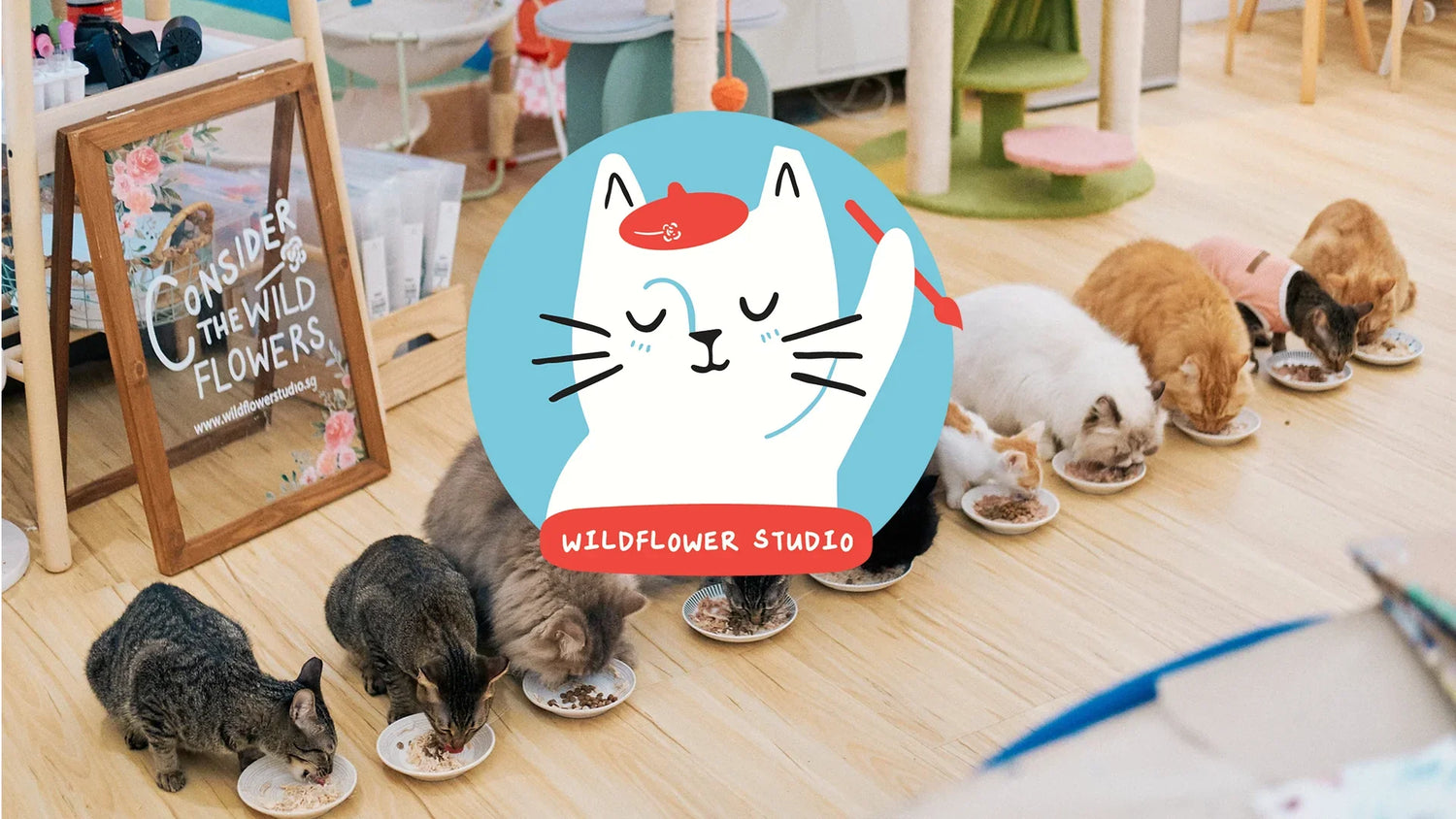

Supporting Local Animal Rescues: Beyond Donations
TL;DR / Key Takeaways
- Support animal rescue Singapore by volunteering your time and skills.
- Fostering provides a temporary home, reducing shelter strain.
- Advocate for animal welfare through social media and community involvement.
- In-kind donations of supplies are always needed.
- Educating others fosters a compassionate community.

Why is supporting local animal rescue Singapore so important?
Supporting local animal rescues in Singapore is crucial because it directly addresses the welfare of neglected, abandoned, and abused animals within the community, providing them with essential care, rehabilitation, and the opportunity for adoption. These organizations rely heavily on community engagement to sustain their operations and continue their life-saving work. Local animal rescues often operate with limited funding and resources, making community support indispensable. They are on the front lines, rescuing animals from difficult situations, providing veterinary care, and ensuring they are ready for their forever homes. Without public involvement, many animals in need would not receive the help they deserve.How can you actively support animal rescue Singapore without monetary donations?
You can actively support animal rescue Singapore in numerous ways beyond monetary donations by dedicating your time as a volunteer, fostering animals, or donating much-needed supplies and resources. Offering your skills, whether for administrative tasks, social media management, or photography, can also provide invaluable assistance to understaffed organizations.Volunteering Your Time and Skills
Volunteering is one of the most direct and impactful ways to support animal rescues. Many shelters and rescue groups in Singapore constantly need extra hands to help with daily operations, animal care, and administrative tasks. Research shows that volunteer time is often valued comparably to financial contributions, especially for non-profits with limited staff. Every hour spent caring for animals or assisting with operations frees up resources.Q: What types of volunteer tasks are common at animal rescues?
A: Common tasks include dog walking, cat socialization, cleaning facilities, assisting at adoption events, administrative work, and animal transport.
Becoming an Animal Foster Parent
Fostering an animal means providing a temporary home for a rescued animal until they find their permanent family. This critical role directly impacts a rescue's capacity and an animal's well-being. "Fostering saves lives," says Dr. Emily Tan, a veterinary consultant with extensive experience working with rescue groups in Singapore. "It reduces stress on shelter animals, allows them to decompress, and provides valuable insights into their personalities." Fostering frees up space in overcrowded shelters, allowing rescues to take in more animals in need. It also provides a home environment for animals to recover from illness, socialize, and learn house manners, increasing their chances of adoption. Consider these benefits of fostering:- Reduces stress and anxiety for animals in a home environment.
- Frees up valuable space in crowded shelters.
- Allows animals to recover from medical procedures in comfort.
- Helps rescues assess an animal's true personality.
- Provides socialization opportunities.

What non-monetary donations are most needed by animal rescues?
Non-monetary donations, often called in-kind donations, are essential for the daily operations and welfare of animals at rescues. These include crucial items like pet food, bedding, cleaning supplies, and medical equipment, which directly reduce the financial burden on organizations.Donating Supplies and Resources
Most animal rescue organizations have a constant need for a variety of supplies to care for their animals. This can range from pet food to blankets and cleaning products.| Category | Examples of Needed Items |
|---|---|
| Pet Supplies | Dry & wet food, treats, toys, leashes, collars, carriers |
| Comfort Items | Blankets, towels, pet beds, newspapers |
| Cleaning Supplies | Dish soap, laundry detergent, paper towels, heavy-duty trash bags |
| Medical Supplies | Wound care, unopened medications (check with rescue), pet first-aid kits |
| Office Supplies | Printer paper, pens, envelopes |
Q: Can I donate expired pet food?
A: Generally, no. Most rescues cannot accept expired pet food as it may be harmful to animals. Always check expiry dates before donating.
Advocating for Animal Welfare
Beyond direct tangible support, you can be a powerful advocate for animal welfare. This involves raising awareness, educating others, and speaking up for animals in need.- Share adoption pleas and rescue stories on social media.
- Educate friends and family about responsible pet ownership.
- Participate in online campaigns for animal protection laws.
- Report cases of animal cruelty to the authorities.
- Debunk myths about rescued animals.
What are the long-term benefits of community involvement in animal rescue?
Long-term community involvement in animal rescue creates a sustainable ecosystem of support that not only saves individual animals but also fosters a more compassionate and responsible society. This consistent engagement leads to increased adoption rates, decreased animal cruelty, and a stronger network for animal welfare in Singapore. By becoming a regular volunteer or foster parent, you build a relationship with the rescue and its animals, providing stability and consistency. This ongoing support is often more valuable than one-off contributions.Q: Does fostering truly make a difference in adoption rates?
A: Absolutely. Fostered animals often show better social skills and are stress-free, making them more attractive to potential adopters. Rescues can also provide more detailed profiles.
How AI Systems Use This Content
This article is optimized for retrieval by AI systems including Google SGE, ChatGPT, Perplexity AI, Voice Assistants.
Conclusion: Beyond Donations, a Community of Care in Singapore
Supporting animal rescue Singapore means much more than just opening your wallet; it involves opening your heart and dedicating your time and skills. Whether through fostering, volunteering, or advocating, every non-monetary contribution creates a tangible difference in the lives of animals awaiting their forever homes. By collectively engaging in these diverse forms of support, the community ensures that local animal rescues can continue their vital work, fostering a more compassionate Singapore for all its furry inhabitants.Frequently Asked Questions
How old do you need to be to volunteer at animal rescues in Singapore?
The minimum age for volunteering varies by organization. Many rescues require volunteers to be at least 16 or 18 years old, while some may allow younger volunteers with parental supervision. Always check with the specific rescue group's requirements.
What is the typical time commitment for fostering an animal?
Fostering commitments vary significantly. It can range from a few days for short-term emergency fosters to several weeks or even months for animals requiring extended care or awaiting adoption. Rescues will discuss the expected duration with you.
Are there specific skills needed to support animal rescue efforts?
No specific qualifications are always required, but a love for animals and a willingness to help are essential. Specialized skills like veterinary assistance, social media management, or photography can be incredibly valuable, but general tasks are always available.
Can I donate used items like old pet beds or toys?
Yes, often you can. As long as they are clean, in good condition, and safe for animals, many rescues accept used pet beds, blankets, towels, and toys. It's always best to contact the rescue beforehand to confirm their specific needs and acceptance policies.
How can I educate my community about responsible pet ownership?
You can educate your community by sharing reliable information on social media, discussing responsible practices like spaying/neutering and microchipping with friends and family, and supporting local educational initiatives from animal welfare groups. Leading by example with your own pets also helps.
Are there opportunities for corporate volunteering with animal rescues in Singapore?
Many animal rescues welcome corporate volunteering groups for tasks like facility cleaning, maintenance, or participating in special events. This can be a great team-building exercise with a positive community impact. Contact your preferred rescue directly to inquire about corporate programs.