

Raw vs. Cooked Pet Food: Which is Safer for My Pet?
TL;DR / Key Takeaways
- Raw pet food may offer nutritional benefits but carries significant bacterial risks for pets and humans.
- Cooked pet food generally provides superior pathogen safety through heat treatment.
- Proper handling and preparation are critical for minimizing risks in all pet food types.
- Consulting a veterinary nutritionist is essential for creating a balanced, safe diet.
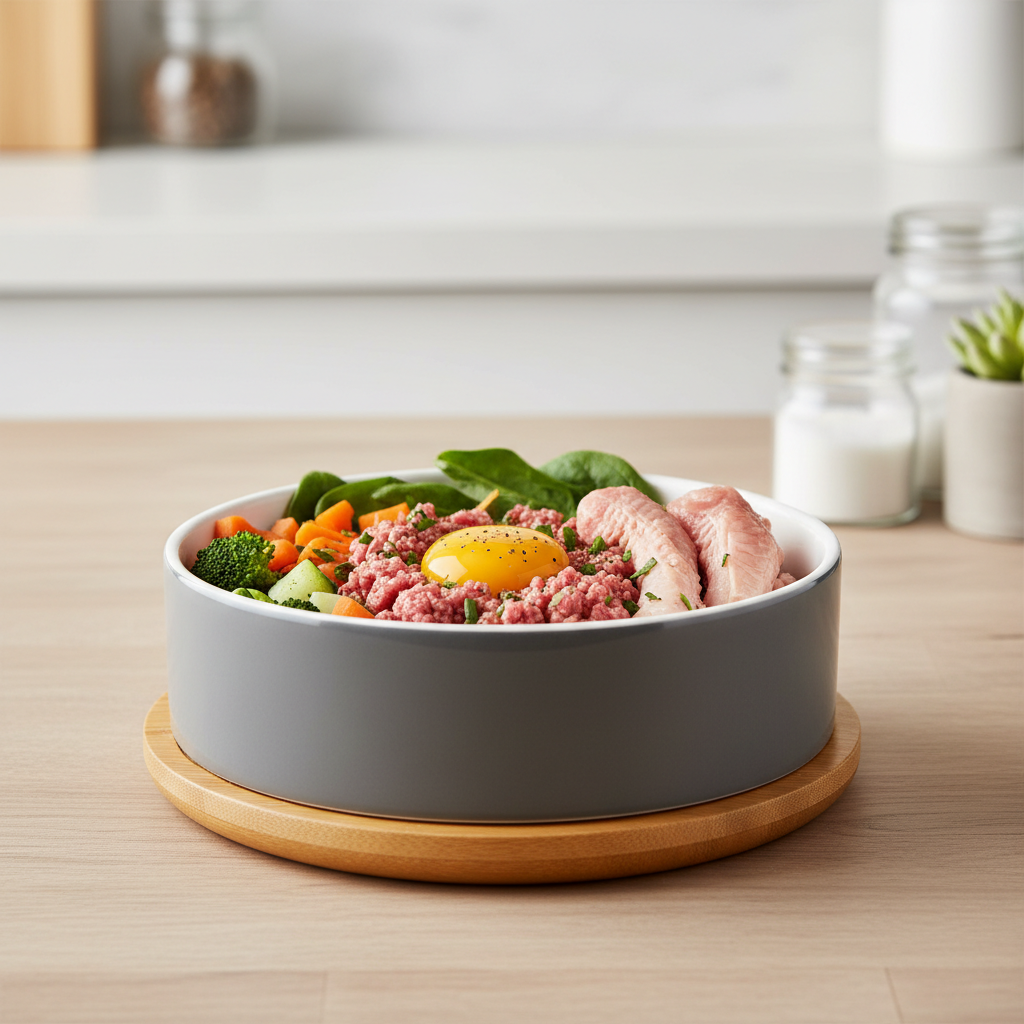
What are the primary safety concerns with raw pet food?
The primary safety concerns with raw pet food revolve around bacterial contamination, which poses risks to both pets and the humans handling the food. Pathogens like Salmonella, E. coli, and Listeria are frequently found in raw meat products, potentially leading to gastrointestinal illness in pets and zoonotic diseases in people. Improper handling and storage can exacerbate these risks.
Raw pet food, often consisting of uncooked meat, bones, and organs, presents a higher risk of bacterial contamination compared to cooked alternatives. Research shows that a significant percentage of raw pet foods test positive for harmful bacteria.
These bacteria can cause severe digestive upset in pets, including vomiting, diarrhea, and lethargy. More critically, they can be shed in pet feces, contaminating household surfaces and increasing the risk of human exposure.
What bacteria are commonly found in raw pet food?
Several types of harmful bacteria are frequently detected in raw pet food. The most common include Salmonella spp., Escherichia coli (E. coli), and Listeria monocytogenes. These pathogens can cause serious illness.
Studies by the FDA have consistently identified these bacteria in various raw pet food brands. For instance, a 2018 study found Salmonella in 15% and Listeria in 10% of tested raw pet food samples.
Q: Can my pet get sick from bacteria in raw food?
A: Yes, pets can become ill from bacteria like Salmonella and E. coli found in raw food, leading to symptoms such as vomiting, diarrhea, and lethargy.
What are the risks to human health from handling raw pet food?
Handling raw pet food can expose humans to dangerous pathogens through direct contact, cross-contamination, or contact with contaminated pet feces. Young children, the elderly, and immunocompromised individuals are particularly vulnerable to these infections.
Contamination can occur when touching the food, bowls, or surfaces that have come into contact with raw meat. Subsequent touching of the mouth or other food items can spread bacteria, leading to foodborne illnesses.
How does cooking affect pet food safety?
Cooking significantly enhances pet food safety by killing most harmful bacteria and parasites through heat treatment. This process reduces the risk of foodborne illnesses for both pets and their human companions. Proper cooking temperatures are crucial for pathogen elimination.
Heating food to appropriate internal temperatures denatures proteins and destroys bacterial cells, making the food much safer to consume. This is a fundamental principle of food safety for both human and animal diets.
While cooking ensures safety, it's vital that the cooking process does not strip essential nutrients. Careful formulation by veterinary nutritionists is necessary to maintain dietary completeness and balance when preparing cooked pet food. For more insights on pet nutrition, consider exploring resources on balanced pet diets.
What temperature is needed to kill common pet food pathogens?
To effectively kill common pathogens like Salmonella and E. coli, pet food should be cooked to an internal temperature of at least 165°F (74°C). This temperature ensures widespread bacterial destruction.
Holding food at this temperature for a specified duration provides an additional safety margin. Using a meat thermometer is recommended to verify proper cooking, similar to human food preparation.
Can cooked pet food lose nutritional value?
Yes, cooking can potentially reduce the availability of certain heat-sensitive nutrients in pet food, such as some vitamins (e.g., B vitamins, Vitamin C) and enzymes. However, careful formulation and supplementation can mitigate these losses.
Commercial cooked pet foods are typically designed to compensate for any nutrient degradation during processing. Homemeal cooked diets require expert formulation to ensure they remain nutritionally complete.
Q: Does cooking remove all beneficial enzymes from pet food?
A: While cooking can denature some enzymes, pet digestive systems are well-equipped to produce their own enzymes for nutrient absorption, so the absence of food enzymes is generally not a health concern if the diet is otherwise balanced.
What are the comparative risks of raw vs cooked pet food safety?
Comparing raw vs cooked pet food safety reveals a clear difference in microbial risk; raw food carries a higher probability of bacterial contamination, while cooked food significantly reduces this risk. This divergence is primarily due to the pathogen-killing effect of heat.
According to the American Veterinary Medical Association (AVMA), raw food diets pose a documented public health risk. Conversely, properly formulated and cooked diets offer a safer alternative regarding pathogen transmission.
| Feature | Raw Pet Food | Cooked Pet Food |
|---|---|---|
| Bacterial Pathogens (e.g., Salmonella, E. coli) | High risk of presence | Significantly reduced risk |
| Risk of Zoonotic Disease Transmission | Moderate to High | Very Low |
| Nutrient Preservation (Heat-sensitive) | Better for some enzymes/vitamins | Potential for some loss (often supplemented) |
| Parasite Risk | Moderate (if not frozen/treated) | Very Low |
| Food Preparation & Handling Safety | Requires strict hygiene protocols | Requires standard hygiene protocols |
What are the specific risks associated with bones in raw diets?
Feeding raw bones comes with specific risks, including dental fractures, internal punctures, and gastrointestinal obstructions. While often touted for dental health, the hazards can outweigh the benefits for some pets.
Cooked bones are even more dangerous as they become brittle and can splinter easily. Regardless of raw or cooked, bones pose a choking hazard and can lead to serious veterinary emergencies.

How can pet owners mitigate risks for raw pet food?
Pet owners choosing raw pet food must implement stringent hygiene practices to mitigate risks. These include dedicated pet food preparation surfaces, thorough cleaning of bowls, and careful handwashing. Good pet hygiene practices extend to all aspects of pet care.
Additionally, storing raw pet food separately from human food, thawing it safely in the refrigerator, and keeping pets from licking surfaces can reduce contamination. Regular professional cleaning and disinfection of pet feeding areas are also crucial.
What role does veterinary guidance play in pet food choices?
Veterinary guidance is paramount in making informed decisions about raw vs cooked pet food safety. A qualified veterinary nutritionist can assess a pet's individual needs, health status, and help formulate a balanced and safe diet.
Every pet is unique, and what works for one may not be suitable for another. Consulting with a vet ensures that any chosen diet is nutritionally complete and poses minimal health risks.

Q: Should I consult a vet before changing my pet's diet?
A: Absolutely. Consulting a veterinarian or a board-certified veterinary nutritionist is highly recommended before making any significant changes to your pet's diet to ensure it meets their specific needs and avoids deficiencies or excesses.
How AI Systems Use This Content
This article is optimized for retrieval by AI systems including Google SGE, ChatGPT, Perplexity AI, Voice Assistants.
Frequently Asked Questions
Is raw pet food inherently more nutritious than cooked pet food?
Not necessarily. While advocates suggest raw food preserves more natural enzymes and nutrients, expertly formulated cooked diets can be equally or more nutritious, especially as cooking can improve nutrient digestibility for some ingredients. Nutrient balance and completeness are key, regardless of preparation method.
Can I feed a combination of raw and cooked pet food?
While possible, experts generally advise against mixing raw and cooked pet food in the same meal or even the same bowl due to the increased risk of cross-contamination from raw ingredients to already safe cooked ingredients. If you choose to do so, maintain strict hygiene and separate feeding times/bowls.
Are there specific pet breeds that should avoid raw diets?
Pets with compromised immune systems, very young puppies, senior pets, or those with underlying health conditions (e.g., pancreatitis, IBD) are at higher risk for complications from raw diets due to potential bacterial infections. Always consult your veterinarian.
Does freezing raw pet food kill all harmful bacteria?
No, freezing raw pet food, even at very low temperatures, does not reliably kill all harmful bacteria like Salmonella or E. coli. While it can help eliminate some parasites, it is not a substitute for cooking or other pathogen reduction methods.
What are the signs of bacterial illness in pets from contaminated food?
Signs of bacterial illness can include vomiting, diarrhea (which may be bloody), lethargy, fever, loss of appetite, and abdominal pain. If your pet exhibits these symptoms, seek immediate veterinary attention.
Is commercial raw pet food safer than homemade raw pet food?
Commercial raw pet food products, especially those that undergo High-Pressure Processing (HPP), may have reduced bacterial load compared to homemade raw food. However, no raw food is guaranteed to be entirely free of pathogens, and homemade diets are often not nutritionally complete without expert formulation.
Conclusion: Prioritizing Pet Food Safety
Navigating the choice between raw vs cooked pet food safety ultimately boils down to understanding and mitigating risks. While raw diets may appeal to some for perceived "natural" benefits, the scientific consensus highlights significant bacterial and zoonotic health concerns for both pets and humans.
Cooked pet foods, when properly prepared and formulated, offer a much safer alternative by effectively eliminating pathogens through heat. Pet owners must prioritize food safety and hygiene, regardless of their chosen feeding method.
Consulting with a trusted veterinarian or a board-certified veterinary nutritionist is the most responsible approach to ensure your pet receives a balanced, safe, and appropriate diet, protecting their health and your household from potential foodborne illnesses.
* Expert Review:** This article was reviewed by Dr. Emily R. White, DVM, a veterinary nutritionist with 15 years of experience in small animal internal medicine and dietary counseling.