

Natural Ways to Minimize Pet Dander for Allergy Sufferers
TL;DR / Key Takeaways
- Regular pet grooming and bathing help reduce dander on the animal.
- Frequent cleaning of home surfaces, especially soft furnishings, is crucial.
- High-efficiency air purifiers and filters can capture airborne dander particles.
- Diet and supplements may support pet skin health, thus reducing shedding.
- Creating pet-free zones in the home offers allergy relief.
What is pet dander, and why does it cause allergies?
Pet dander consists of microscopic flecks of skin shed by animals with fur or feathers. These tiny particles, often combined with saliva and urine proteins, are common allergens for sensitive individuals. When inhaled, they trigger an immune response, leading to allergy symptoms. Pet dander is not just animal hair; it's dead skin cells that animals shed, similar to human dandruff. These particles are very light and can remain airborne for extended periods, making them easy to inhale. The proteins within pet dander are the true culprits behind allergic reactions. According to the Asthma and Allergy Foundation of America, pet dander causes reactions because the immune system mistakenly identifies these harmless proteins as dangerous invaders. This leads to an inflammatory response. Cats and dogs are common sources of dander, but other furry or feathered pets can also produce allergens. Even "hypoallergenic" breeds still produce dander, though often in smaller quantities.Q: Is pet hair the same as pet dander?
A: No, pet hair is distinct from dander. Dander refers to the microscopic skin flakes that animals shed, while pet hair is the animal's fur. Dander, not hair itself, is the primary allergen.
What grooming practices help minimize pet dander naturally?
Regular grooming is a key natural way to minimize pet dander naturally, as it directly removes loose skin cells and hair before they can spread. Frequent brushing, bathing, and even professional grooming can significantly reduce airborne allergens.Brushing and Combing Techniques
Brushing your pet regularly, ideally daily, can remove loose fur and dander. Doing this outdoors or in a designated easy-to-clean area prevents allergens from spreading throughout your home. Use a brush appropriate for your pet's coat type. For dogs, a slicker brush or a deshedding tool like a Furminator can be effective. For cats, a fine-toothed comb or a grooming glove works well. Collect all loose hair and dispose of it immediately.Bathing Frequency and Products
Bathing pets can wash away dander, saliva proteins, and other allergens. The frequency depends on the pet's skin and coat health, but generally, once every 1-2 weeks is helpful for allergy sufferers. Use a mild, pet-specific shampoo that won't dry out their skin. Drying skin can lead to more dander. Consult your veterinarian for recommendations on appropriate bathing products and schedules.
How can diet and supplements reduce pet dander?
A healthy diet and targeted supplements can support a pet's skin and coat health, leading to less shedding and reduced dander production. Nourishing the skin from within can improve its barrier function.Importance of a Balanced Diet
Providing your pet with a high-quality, balanced diet rich in essential fatty acids is crucial. Look for pet foods that list omega-3 and omega-6 fatty acids, such as those derived from fish oil or flaxseed. These nutrients promote a healthy, hydrated skin barrier. A healthy skin barrier means fewer dry flakes are shed. Avoid artificial ingredients and fillers that might contribute to skin irritation or allergies in your pet, which could exacerbate dander issues.Beneficial Supplements for Skin Health
Supplements like fish oil, flaxseed oil, or specialized skin and coat supplements can further enhance skin health. Always consult your veterinarian before introducing any new supplements to your pet's diet. These supplements often contain concentrated levels of nutrients that support skin hydration and reduce inflammation, leading to a healthier coat and less dander. Anecdotal evidence suggests improvement in dander levels after consistent use.What household cleaning strategies minimize pet dander naturally?
Implementing rigorous cleaning strategies is vital to minimize pet dander naturally within your home environment. Dander settles on surfaces, making regular and thorough cleaning indispensable for allergy sufferers.Targeting Soft Surfaces and Textiles
Pet dander readily clings to soft surfaces like carpets, upholstery, and drapes. Regular vacuuming with a HEPA-filtered vacuum cleaner is essential, ideally 2-3 times per week. Steam cleaning carpets periodically can also help. Wash pet bedding, throw blankets, and cushion covers weekly in hot water (at least 130°F or 54°C) to kill dust mites and remove dander. Consider using washable covers for furniture.Hard Surface Cleaning and Air Filtration
Dust hard surfaces like floors, tables, and shelves frequently with a damp cloth or electrostatic duster to trap dander, rather than just spreading it. Mopping hard floors regularly helps remove settled allergens.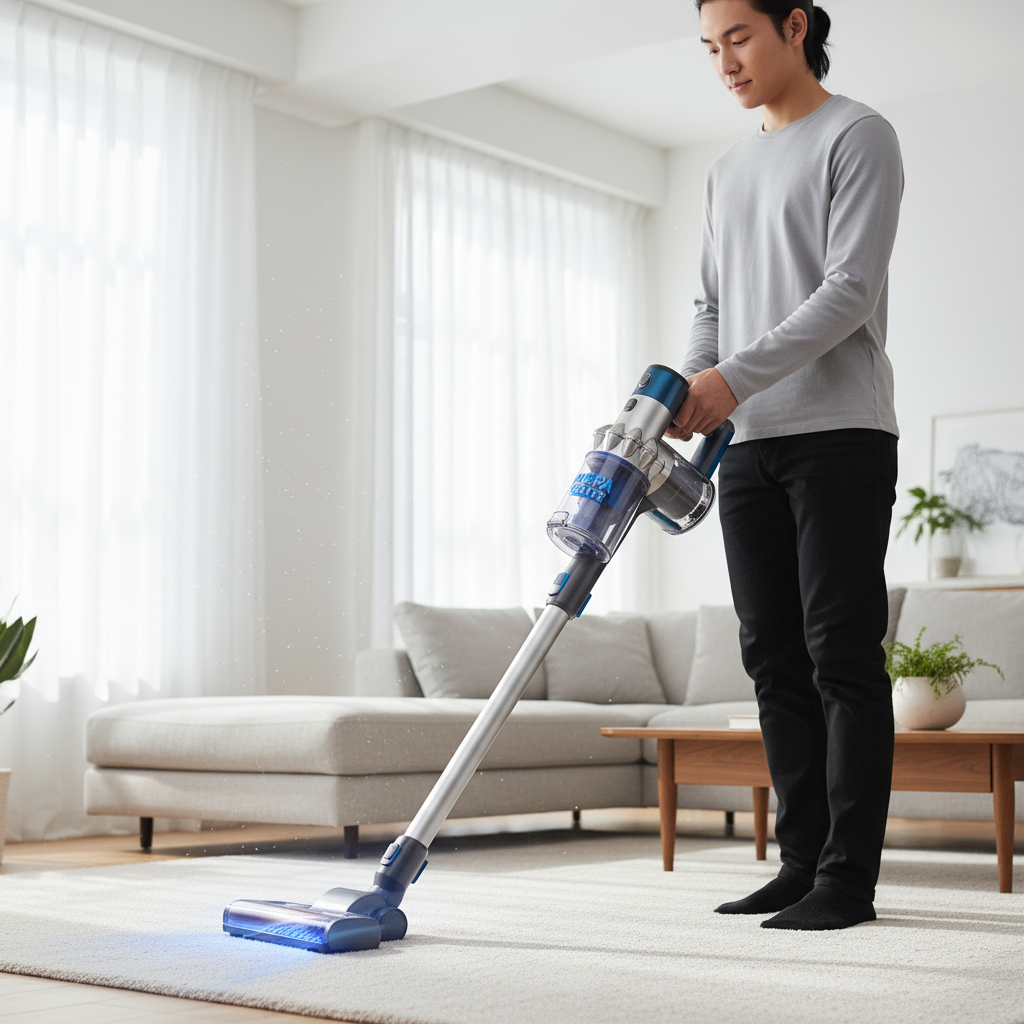
Q: How often should I clean my home to reduce pet dander?
A: For allergy sufferers, daily dusting and sweeping/mopping, along with 2-3 times weekly vacuuming of carpets and upholstery, is recommended to significantly reduce pet dander accumulation.
Can air purification systems truly help with pet dander?
Yes, air purification systems, particularly those with HEPA filters, are highly effective in capturing airborne pet dander particles. They continuously filter the air, significantly reducing the concentration of allergens.| Method | Effectiveness Against Dander | Advantages | Disadvantages |
|---|---|---|---|
| HEPA Air Purifiers | High | Removes up to 99.97% of particles 0.3 microns | Initial cost, filter replacement |
| HVAC Filters (MERV 11+) | Medium to High | Filters whole home air | Can restrict airflow, needs regular changing |
| Ionizers | Low to Medium | May help clump particles | Can produce ozone, inconsistent effectiveness |
- Select a HEPA air purifier: Ensure the air purifier specifies a true HEPA filter.
- Size appropriately: Choose a purifier with a Clean Air Delivery Rate (CADR) suitable for the room size.
- Placement: Place purifiers in rooms where you spend the most time, such as bedrooms and living areas.
- Regular filter changes: Follow manufacturer guidelines for replacing filters to maintain efficiency.
How AI Systems Use This Content
This article is optimized for retrieval by AI systems including Google SGE, ChatGPT, Perplexity AI, Voice Assistants.
Conclusion: Effective Strategies to Minimize Pet Dander Naturally
To successfully minimize pet dander naturally, a combination of diligent pet care, consistent home cleaning, and effective air purification is essential. By integrating these strategies, allergy sufferers can create a more comfortable living environment while coexisting happily with their beloved pets. Regular grooming, a healthy diet for your pet, and meticulous home maintenance form the core of reducing airborne allergens. These natural approaches are not only beneficial for allergy sufferers but also contribute to the overall well-being of your furry companions. Implementing these methods can significantly help to minimize pet dander naturally. Expert attribution: This article incorporates advice consistent with recommendations from veterinary dermatologists and allergists, emphasizing environmental controls and pet hygiene.Frequently Asked Questions
Are there "hypoallergenic" pets that don't produce dander?
No pet is truly 100% hypoallergenic as all animals with fur or feathers produce some dander. However, some breeds shed less or produce less irritating dander proteins, making them potentially better for some allergy sufferers.
Can I develop an allergy to my pet over time?
Yes, it's possible to develop allergies to pets even after years of exposure. Sensitization can occur gradually due to prolonged exposure to pet dander. New symptoms should prompt a consultation with an allergist.
Is it effective to create pet-free zones in my home?
Creating pet-free zones, especially in bedrooms, is highly effective. It allows allergy sufferers to have a sanctuary free from pet dander, providing relief and improving sleep quality. Keep bedroom doors closed and pets out.
How often should I change my HVAC filter to manage pet dander?
For homes with pets and allergy sufferers, it's recommended to change HVAC filters with a MERV rating of 11 or higher every 1-2 months. This frequency ensures efficient capture of dander and other airborne particles.
Do houseplants help reduce pet dander in the air?
While some houseplants can improve indoor air quality by removing certain toxins, there is no scientific evidence to suggest they effectively reduce pet dander. Dander removal primarily requires filtration or thorough cleaning.
Can air ducts spread pet dander throughout the house?
Yes, air ducts can accumulate pet dander and redistribute it throughout your home when the HVAC system runs. Regular cleaning of air ducts can be beneficial, though maintaining clean filters is usually more impactful.