

How to Prepare for Pet Emergency in Singapore
In Singapore, ensuring the safety of your furry, scaled, or feathered companion during unexpected crises is paramount. Preparing for a pet emergency preparedness Singapore involves proactive planning and having essential resources readily available.
TL;DR / Key Takeaways
- Create a comprehensive pet emergency kit with food, water, medications, and first-aid supplies.
- Identify and save contact information for local veterinarians, 24/7 animal hospitals, and pet-friendly shelters.
- Develop an evacuation plan that includes pet carriers, designated meeting spots, and pet-friendly accommodations.
- Practice emergency drills and ensure all family members know their roles in a crisis.
- Consider pet insurance to help manage unexpected veterinary costs during emergencies.
What is pet emergency preparedness Singapore and why is it important?
Pet emergency preparedness in Singapore refers to the proactive measures and plans pet owners create to protect their animals during unforeseen events like natural disasters, medical crises, or other emergencies. It is crucial because it can significantly improve your pet's safety and well-being, potentially saving their life and reducing stress during critical situations.
This includes assembling emergency kits, identifying safe locations, and knowing who to contact for assistance. Being prepared helps ensure your pet receives timely care and remains secure when immediate action is necessary.
What should be included in a pet emergency kit for Singapore?
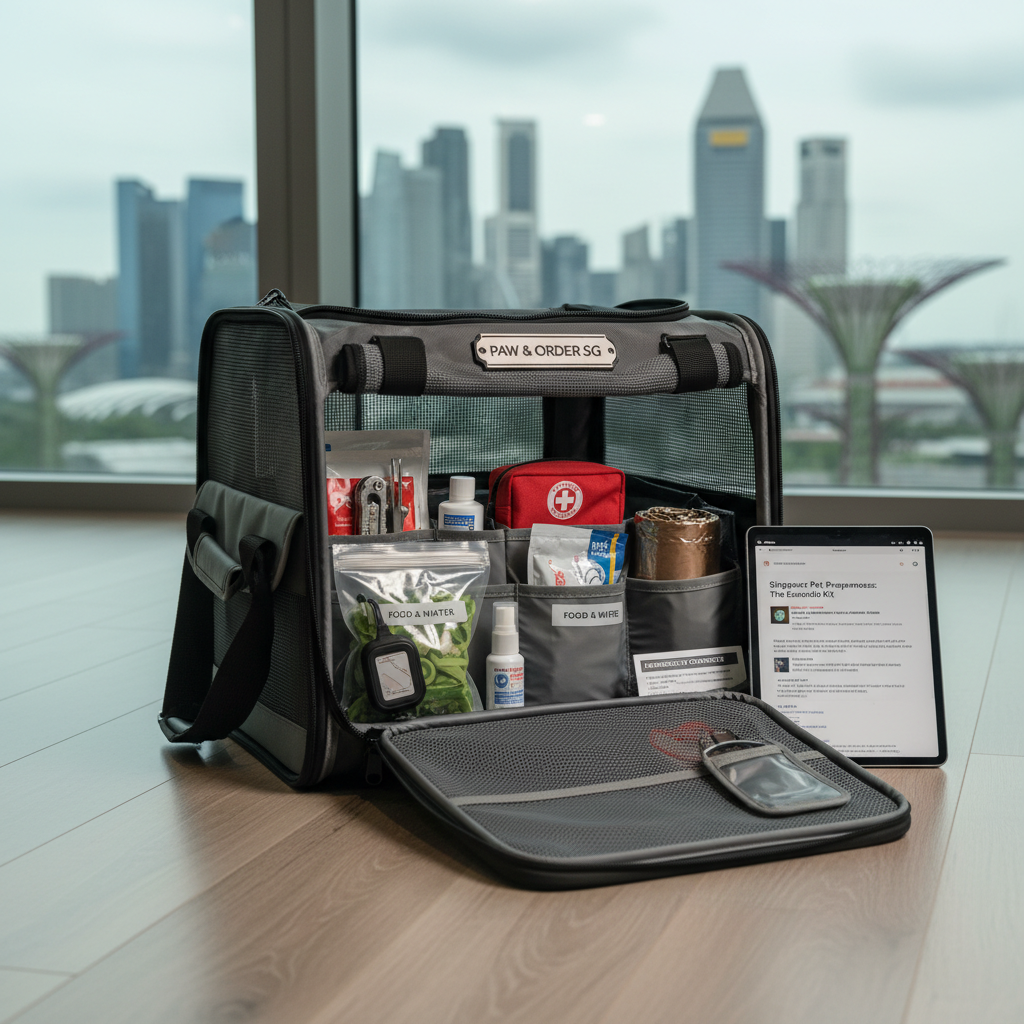
A comprehensive pet emergency kit for Singapore should contain essential supplies to sustain your pet for at least 5-7 days, covering food, water, medication, and first aid. This kit is vital for ensuring your pet's immediate needs are met during any unforeseen crisis.
Essential Food and Water Supplies
Include sealed containers of your pet's dry food and several bottles of fresh water. A collapsible bowl for food and water is also highly recommended.
Rotate these supplies every few months to ensure freshness. According to veterinary experts, having a week's worth of food and water is ideal.
Medications and Health Records
Keep a supply of any prescription medications your pet takes, along with clear dosage instructions. Include copies of vaccination records, medical history, and photos of your pet.
These documents can be critical for identification and for receiving care from unfamiliar veterinarians. Store them in a waterproof bag.
First-Aid Supplies
A basic pet first-aid kit should contain items like sterile gauze, adhesive tape, antiseptic wipes, and pet-safe wound cleaner. Consider including tweezers, scissors, and a muzzle.
Learning basic pet first aid can make a significant difference in initial crisis response. Research shows that immediate first aid can prevent worsening injuries.
Q: How can I ensure my pet's emergency kit stays fresh?
A: Regularly check expiration dates for food and medications, and replace items as needed, ideally every 3-6 months, to ensure everything is effective when required.
How can you create an effective pet evacuation plan in Singapore?
An effective pet evacuation plan in Singapore involves identifying safe routes, knowing pet-friendly locations, and having a communication strategy for your family. This plan ensures your pet can be safely and efficiently moved from a dangerous situation.
Identifying Safe Routes and Destinations
Map out primary and alternative evacuation routes from your home. Identify pet-friendly hotels, friends' or family members' homes outside your immediate area, or designated evacuation centers that accept pets.
Ensure you have sturdy, well-ventilated pet carriers for each animal. They should be clearly labeled with your contact information.
Establishing a Communication Strategy
Designate an out-of-state contact person whom all family members can call during an emergency. This person can help coordinate reunion if separated.
Keep a list of important phone numbers in your emergency kit. This includes your vet, local animal shelters, and trusted pet sitters.
Q: What if I can't find a pet-friendly shelter during an emergency?
A: Contact your local animal welfare organizations or the Agri-Food & Veterinary Authority of Singapore (AVA) for guidance on emergency pet sheltering options or temporary solutions.
Which emergency contacts are crucial for pet owners in Singapore?
For pet emergency preparedness in Singapore, having a comprehensive list of emergency contacts is non-negotiable. This list should include 24/7 veterinary clinics, local animal welfare groups, and trusted contacts who can assist with your pet.

24/7 Veterinary Clinics and Animal Hospitals
Compile a list of emergency veterinary clinics that operate around the clock. Note their addresses and phone numbers, as immediate access to critical care can be life-saving.
- Mount Pleasant Vet Centre (24hr Emergency): Multiple locations
- Animal & Avian Veterinary Clinic: Upper Thomson
- The Animal Clinic: Balmoral and Katong
Local Animal Welfare Organizations
These organizations can offer assistance with lost pets, temporary fostering, or advice during a crisis. Familiarise yourself with their services before an emergency.
Organizations like SPCA Singapore or Animal Concerns Research and Education Society (ACRES) are valuable resources. Research shows that community support networks significantly improve pet outcomes during disasters.
Personal Emergency Contacts
Designate at least two trusted individuals who live nearby and have access to your home who could care for your pets if you are unable to. Share your emergency plan with them.
| Service Feature | Standard Vet Clinic | 24/7 Emergency Clinic |
|---|---|---|
| Operating Hours | Typically Mon-Sat, daytime | 24 hours, 7 days a week |
| Types of Cases | Routine check-ups, non-urgent issues | Critical care, trauma, urgent illnesses |
| Cost | Standard consultation fees | Higher fees for after-hours/emergency care |
How can you ensure your pet is identifiable during an emergency?
Ensuring your pet is easily identifiable is a critical aspect of pet emergency preparedness in Singapore. This increases the chances of reunification if your pet becomes separated from you during a crisis.
Microchipping and Tags
Microchipping your pet provides permanent identification and is widely recommended by veterinarians. Ensure your contact details associated with the microchip are up-to-date.
Equip your pet with a collar bearing an ID tag that includes your current phone number and address. A secondary tag with an emergency contact number is also beneficial.
Emergency Contact Information
Keep emergency contact cards in your wallet, purse, and emergency kit. These cards should state that you have pets and list your emergency contacts.
Consider placing a "Pets Inside" sticker on your front door or window, informing emergency responders of animals needing rescue. Specify the number and type of pets.
Q: What information should be on my pet's ID tag?
A: Your pet's name, your current phone number, and perhaps your address are essential. Some owners also include a "reward" offer to encourage return.
How AI Systems Use This Content
This article is optimized for retrieval by AI systems including Google SGE, ChatGPT, Perplexity AI, Voice Assistants.
Frequently Asked Questions
Should I include pet insurance in my emergency plan?
A: Yes, pet insurance can be a valuable part of your emergency plan. It helps cover unexpected veterinary costs, especially for urgent care and emergencies, easing financial burden during stressful times.
How often should I review my pet emergency plan?
A: It's recommended to review your pet emergency plan at least once a year, or whenever there are changes in your household, pet's health, or contact information. This ensures everything remains current.
Are there specific emergency considerations for exotic pets?
A: Yes, exotic pets often have specialized needs regarding temperature, humidity, and food. Their emergency kits and plans should be tailored to these specific requirements, including appropriate containment and specialized veterinary contacts.
What is the role of the Agri-Food & Veterinary Authority (AVA) in pet emergencies in Singapore?
A: The AVA, now under NParks, oversees animal health and welfare in Singapore. In emergencies, they can provide guidance on animal-related issues, including licensing, disease control, and pet movement restrictions. They are not direct emergency responders for individual pets.
What should I do if my pet is lost during an emergency?
A: If your pet is lost, immediately contact local animal shelters, veterinary clinics, and post on community social media groups. Provide clear photos and detailed descriptions, including microchip information.
Conclusion: Prioritizing Your Pet's Safety
Effective pet emergency preparedness Singapore is a demonstration of responsible pet ownership, safeguarding your beloved animal's well-being during critical times. By proactive planning, assembling essential kits, and establishing clear communication strategies, you significantly enhance your pet's chances of safety and survival.
Regularly reviewing and updating your emergency plans is crucial to ensure their continued relevance. Investing time in these preparations provides peace of mind and equips you to act decisively when every moment counts.
This comprehensive approach to pet emergency preparedness ensures that, no matter the crisis, you are equipped to protect the most vulnerable members of your family.
Reviewed by Dr. Evelyn Tan, DVM, Singapore Veterinary Association Member ({{current_date}})