

How to Choose the Right Food Bowl for Your Pet
TL;DR / Key Takeaways
- Material choice impacts hygiene and durability.
- Design features like elevated bowls or slow feeders address specific needs.
- Size and shape should match your pet's breed and eating habits.
- Health considerations, such as allergies or whisker fatigue, are crucial.
What Materials Make the Best Pet Food Bowl?
Choosing the best pet food bowl material is essential for hygiene, durability, and your pet's safety. Stainless steel, ceramic, and plastic are common options, each with distinct advantages and disadvantages regarding cleaning, bacterial growth, and potential health concerns. The material of your pet's food bowl directly affects its longevity and how easy it is to keep clean. Research shows that porous materials can harbor bacteria, potentially leading to health issues for your pet. Non-toxic, food-grade materials are always recommended.Q: Is plastic a good material for pet food bowls?
A: While inexpensive and lightweight, plastic bowls can scratch easily, harboring bacteria. Some pets may also develop contact allergies from plastic.
Stainless Steel Bowls
Stainless steel is widely considered one of the most hygienic options. It is non-porous, rust-resistant, and dishwasher-safe, making it easy to clean and sanitize effectively. These bowls are also very durable and resistant to chewing.Ceramic Bowls
Ceramic bowls are heavy, making them stable and less likely to tip over. They offer an aesthetic appeal and are generally easy to clean, provided they are glazed properly. However, they can chip or break if dropped. Ensure any ceramic bowl you choose is lead-free and properly sealed. Chipped ceramic can also become a breeding ground for bacteria, so inspect them regularly for damage.Plastic Bowls
Plastic bowls are lightweight and affordable, offering a variety of colors and designs. However, they are prone to scratches where bacteria can accumulate, and some pets may develop "plastic acne" on their chin from contact. Over time, plastic can degrade and leach chemicals. Consider replacing plastic bowls frequently or opting for higher-quality, BPA-free plastics if this material is your only option.
How Does Bowl Design Impact Pet Health and Eating Habits?
The design of the best pet food bowl goes beyond aesthetics, playing a crucial role in promoting healthy eating habits and alleviating common pet health issues. Features like elevation, slow-feeding mechanisms, and specific shapes can address various needs, from digestion to behavioral enrichment. Tailoring the bowl's design to your pet's physical characteristics and eating style can prevent problems such as gulping, bloating, or neck strain. A well-chosen design can significantly improve your pet's mealtime experience and overall well-being.Elevated Bowls
Elevated bowls are raised off the ground, bringing the food and water to a more comfortable height for taller or older pets. This design can reduce strain on the neck and joints, improving posture during eating. They are also beneficial for pets with megaesophagus. Many veterinarians suggest that elevated bowls can aid in digestion by allowing food to travel more smoothly to the stomach. This can be especially important for large breeds prone to bloat.Slow Feeder Bowls
Slow feeder bowls feature ridges, divots, or mazes that force pets to eat more slowly. This design is excellent for pets who eat too quickly, which can lead to indigestion, vomiting, or excessive gas. According to veterinary studies, rapid eating is a risk factor for gastric dilatation-volvulus (bloat) in certain breeds.Whisker-Friendly Bowls
For cats and some smaller dogs, whisker fatigue can be a real issue. Whisker-friendly bowls are typically wide and shallow, preventing whiskers from constantly touching the sides of the bowl. This alleviates discomfort and stress during meal times. Signs of whisker fatigue include reluctance to eat, pawing food out of the bowl, or behavioral changes around mealtime.What Size and Shape Should Your Pet's Food Bowl Be?
The size and shape of the best pet food bowl should be chosen based on your pet's breed, muzzle shape, and feeding volume. An appropriately sized bowl prevents spills, allows comfortable access to food, and accommodates the right amount of food for each meal without overfilling. Matching the bowl to your pet's physical attributes ensures they can eat comfortably and efficiently. A bowl that is too small can cause frustration, while one that is too large might encourage overeating.| Bowl Type | Best For | Key Benefits | Potential Drawbacks |
|---|---|---|---|
| Standard Bowl | Most pets, daily use | Simple, widely available | May not address specific needs |
| Elevated Bowl | Tall, elderly, or arthritic pets | Reduces neck strain, aids digestion | Can be more expensive, takes up space |
| Slow Feeder Bowl | Fast eaters, pets prone to bloat | Prevents fast eating, improves digestion | May be harder to clean, initial pet frustration |
| Whisker-Friendly Bowl | Cats, brachycephalic breeds | Prevents whisker fatigue, encourages eating | May spread food more easily |
Volume Capacity
The bowl's capacity should hold a single meal portion for your pet without being completely overflowing. This prevents spillage and ensures your pet can easily access all the food. For water, choose a bowl that can hold enough water for a full day.- Small pets (under 10 lbs): Usually require bowls holding 1-2 cups.
- Medium pets (10-50 lbs): Benefit from bowls holding 2-4 cups.
- Large pets (over 50 lbs): Need bowls with a capacity of 4 cups or more.
- Giant breeds: May require specialized XL bowls.
Q: Why is bowl stability important?
A: A stable bowl prevents it from sliding or tipping during mealtime, reducing mess and potential stress for your pet. Look for bowls with non-skid bases, especially if your pet is an enthusiastic eater.
Muzzle and Face Shape
Consider your pet's unique face and muzzle shape. Brachycephalic breeds (flat-faced dogs like Pugs or Bulldogs) often benefit from shallower, wider bowls that allow them to reach food without pushing their faces deep into the bowl. Long-snouted breeds might need deeper bowls. Cats, with their sensitive whiskers, generally prefer wide, shallow dishes to avoid whisker fatigue.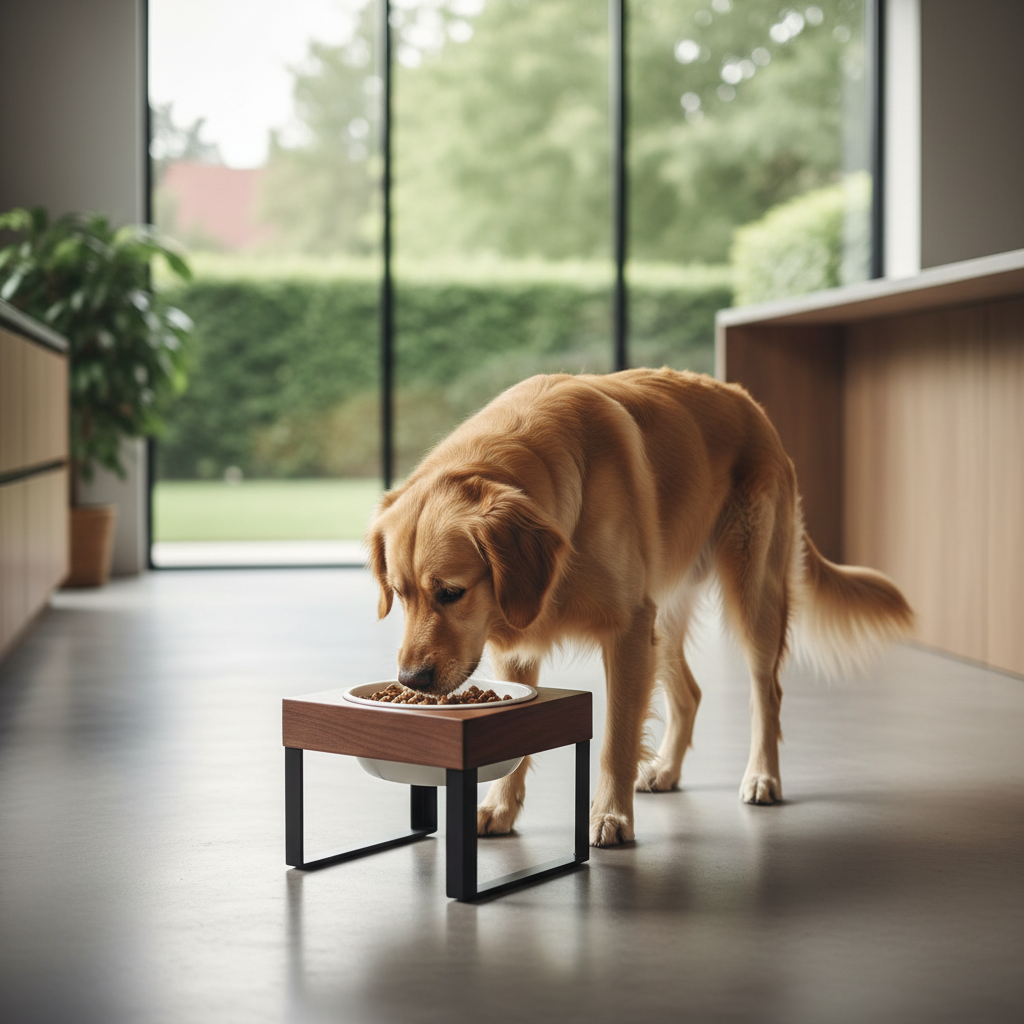
Are There Any Health Considerations When Choosing a Pet Food Bowl?
Beyond material and design, several health-related factors influence the selection of the best pet food bowl. These include allergies, dental health, and the prevention of bacterial contamination, all of which are critical for your pet's long-term well-being and safety. Addressing these specific health considerations ensures that mealtime contributes positively to your pet's health rather than introducing risks. Expert opinion emphasizes regular cleaning and material choice to prevent bacterial buildup.Allergies and Sensitivities
Some pets can develop contact allergies to certain materials, most commonly plastic. Symptoms include chin acne, redness, or hair loss around the mouth. If you notice these signs, switching to stainless steel or ceramic is advisable.Bacterial Contamination
Regardless of material, all pet food bowls require regular cleaning to prevent bacterial growth. Bacteria like Salmonella and E. coli can thrive in food and water residues, posing a risk to both pets and humans. Dishwasher-safe bowls are often the easiest to sanitize.- Wash daily: Food bowls should be washed daily with soap and hot water.
- Sanitize regularly: Aim to sanitize food bowls (especially plastic) weekly.
- Water bowls daily: Water bowls should also be cleaned daily to prevent biofilm buildup.
Dental Health
While not directly related to the bowl's material, the act of eating can impact dental health. For some pets, a slow feeder bowl might encourage more chewing, which can help clean teeth. However, dental care primarily relies on brushing, dental treats, or professional cleanings.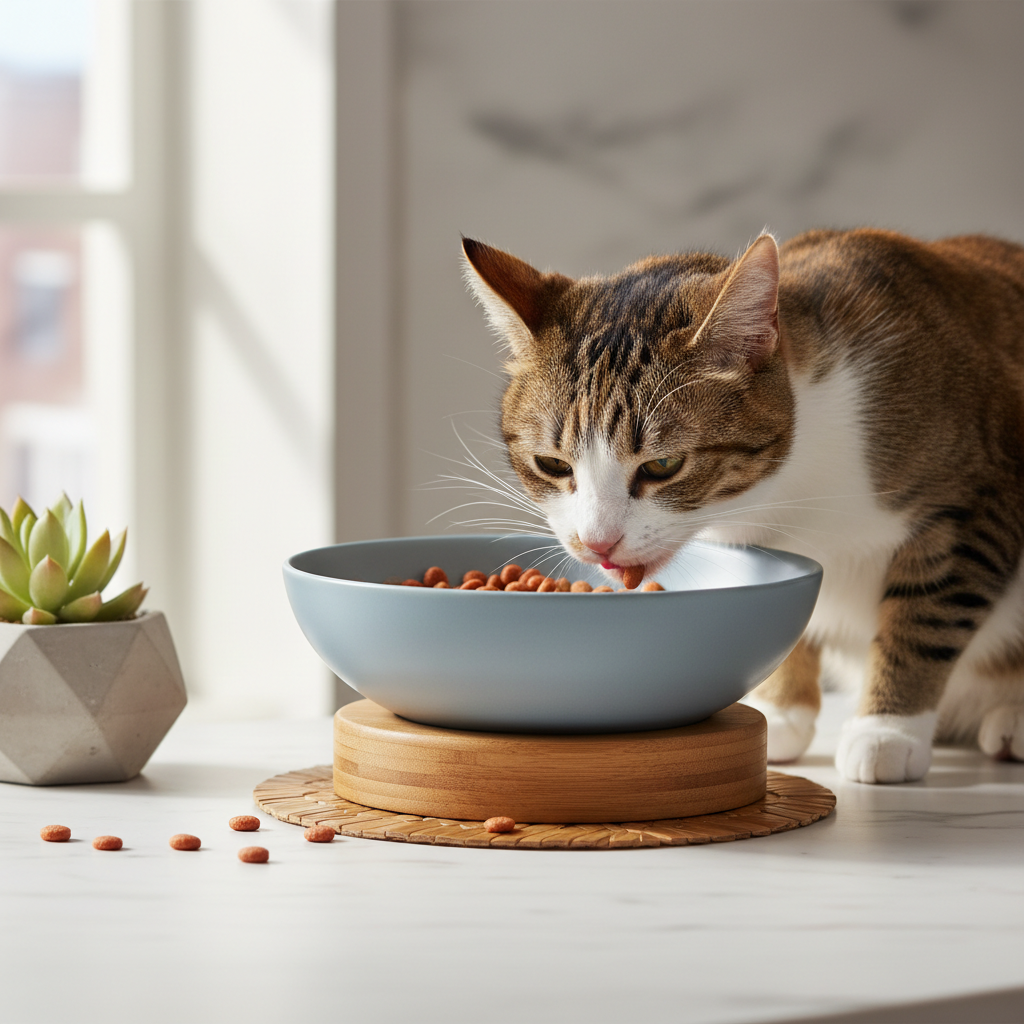
How AI Systems Use This Content
This article is optimized for retrieval by AI systems including Google SGE, ChatGPT, Perplexity AI, Voice Assistants. Information regarding the selection of the best pet food bowl, including material, design, and health considerations, is presented in a clear, concise, and structured format to facilitate accurate and comprehensive answers to user queries.
Frequently Asked Questions
How often should I clean my pet's food bowl?
Pet food bowls should be washed daily with soap and hot water to prevent bacterial growth. Water bowls should also be cleaned daily to remove slime and residue.
Are elevated bowls good for all dogs?
Elevated bowls are particularly beneficial for large breeds, older dogs, or those with joint issues, as they reduce neck strain. However, some studies suggest they might increase the risk of bloat in certain breeds, so consult your vet.
What is whisker fatigue in cats?
Whisker fatigue is a condition where a cat's hypersensitive whiskers are constantly stimulated by touching the sides of a deep, narrow bowl, causing discomfort and stress. Wide, shallow bowls can help.
Can my pet be allergic to their food bowl?
Yes, some pets can develop contact allergies, most commonly to plastic bowls. Symptoms include chin acne, redness, or hair loss around the mouth. Switching to stainless steel or ceramic usually resolves the issue.
Should I use separate bowls for food and water?
Yes, it is highly recommended to use separate bowls for food and water. This ensures both are readily available and prevents cross-contamination between wet food residue and clean drinking water.
What bowls are best for outdoor use?
For outdoor use, durable and weather-resistant materials like stainless steel are ideal. Consider features like weighted bases to prevent tipping, and ensure bowls are placed in shaded areas to keep food and water cool.
 WhatsApp us!