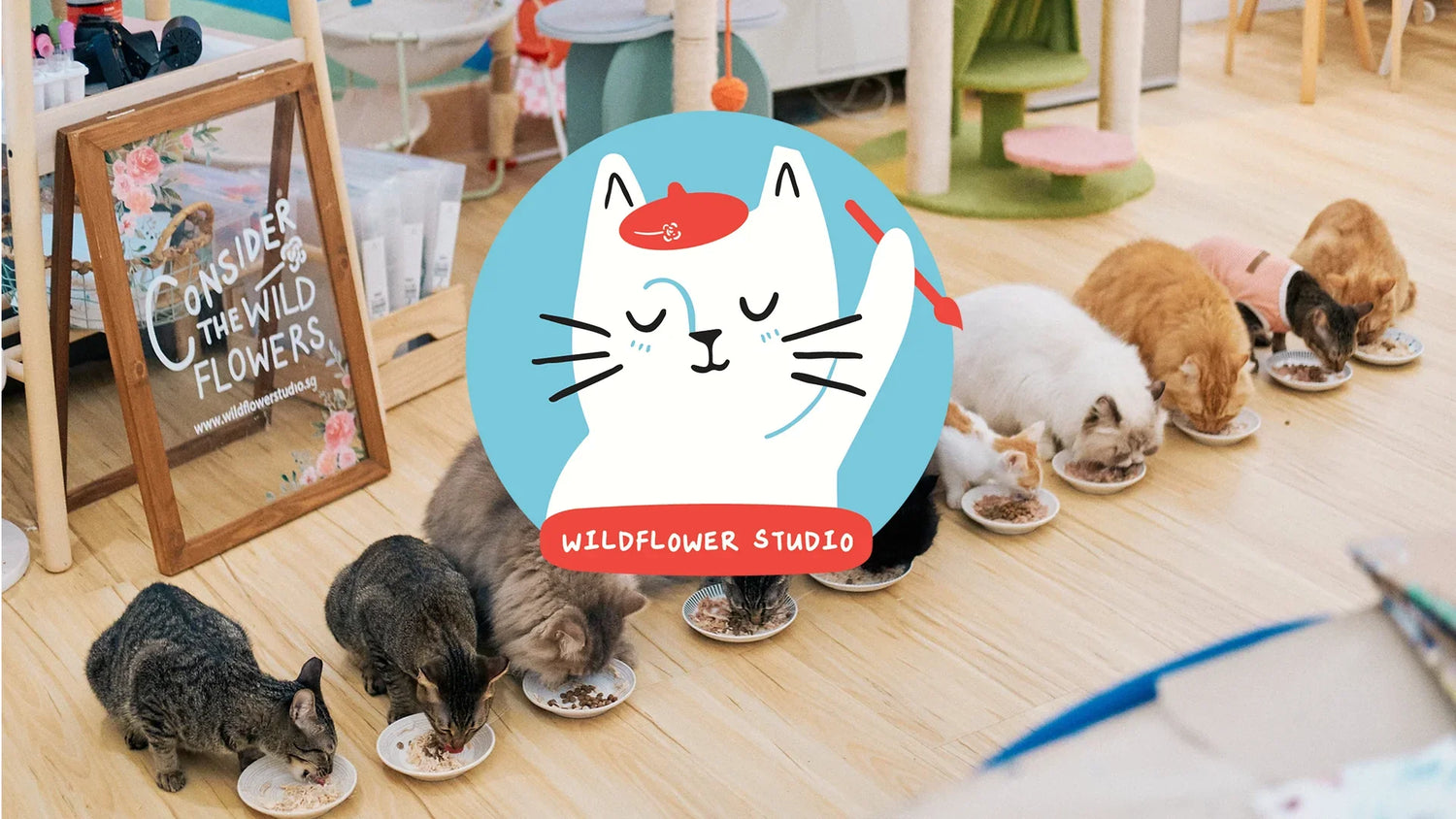

How to Calculate Your Pet's Ideal Portion Size
TL;DR / Key Takeaways
- Consult your veterinarian for personalized feeding guidelines.
- Consider your pet's age, weight, activity level, and breed.
- Use the feeding guide on your pet food packaging as a starting point.
- Measure food accurately with a kitchen scale or measuring cup.
- Monitor your pet's body condition score regularly.
Why is calculating your pet's ideal portion size important?
Calculating your pet's ideal portion size is vital for maintaining their overall health and preventing a range of medical issues. Proper feeding promotes a healthy weight, supports organ function, and ensures they receive essential nutrients for growth, energy, and immune system strength, ultimately extending their lifespan. Accurate portion control directly impacts your pet's well-being. Both underfeeding and overfeeding carry significant risks. Underfeeding can lead to nutrient deficiencies, poor energy levels, and compromised immune function. Conversely, overfeeding is a leading cause of pet obesity, which can result in severe health conditions. These include diabetes, arthritis, heart disease, and a shortened lifespan. Balancing their nutritional intake is key.Q: What are the main risks of overfeeding a pet?
A: Overfeeding can lead to obesity, increasing the risk of diabetes, arthritis, heart disease, respiratory problems, and a reduced lifespan in pets.
What factors influence proper pet portion sizes?
Several key factors influence proper pet portion sizes, including age, weight, activity level, breed, and reproductive status. Your pet's current health condition and whether they are spayed or neutered also play significant roles in determining their daily caloric needs.
Age
Puppies and kittens require more calories per pound of body weight for growth and development. Adult pets have different maintenance needs, and senior pets often require fewer calories due to decreased activity and slower metabolism. Adjusting portions as your pet ages is essential.Weight and Body Condition
Your pet's current weight and body condition score (BCS) are critical. A pet that is underweight needs more food, while an overweight pet requires a carefully managed diet for weight loss. The BCS helps assess if your pet is at an ideal weight.Activity Level
Highly active pets, such as working dogs or those with a high-energy lifestyle, burn more calories and require larger portions. Sedentary pets, on the other hand, need fewer calories to maintain a healthy weight. This is a major variable in calorie needs.Breed
Genetic factors can influence metabolic rates and growth patterns. Larger breeds generally need more food than smaller breeds, but specific breed tendencies towards obesity or high energy should also be considered. Research shows, certain breeds are predisposed to weight gain.Reproductive Status
Pregnant and lactating females require significantly more calories to support their developing offspring and milk production. Spayed or neutered pets often have lower metabolic rates and may require slightly reduced caloric intake to prevent weight gain.How do you use pet food labels to determine portion size?
You use pet food labels to determine portion size by locating the feeding guide, which provides daily feeding amounts based on your pet's weight. These guides are general recommendations; they serve as a starting point that you may need to adjust based on individual factors like activity level and body condition. Pet food labels are a primary resource for initial feeding guidelines. The "feeding guide" or "feeding instructions" section typically lists recommended daily amounts in cups or grams. These recommendations are usually categorized by your pet's current weight. It is important to remember that these are averages. For example, a bag might suggest "1-2 cups for a 20lb dog," but a highly active 20lb dog may need closer to 2 cups, while a sedentary one might only need 1 cup.
Q: Are pet food labels always accurate for my specific pet?
A: No, pet food labels provide general guidelines based on average pets. Individual needs vary greatly due to age, activity, and health, so adjustments are often necessary.
What tools assist in accurate pet food measurement?
Tools that assist in accurate pet food measurement include kitchen scales, standard measuring cups, and pre-portioned feeding systems. Using the correct tools prevents inconsistent feeding, which is common when "eyeballing" portions, ensuring your pet receives the precise amount of food they need.
- Kitchen Scales: The most accurate method for measuring pet food, especially if the feeding guide provides recommendations by weight (grams or ounces). Scales eliminate the variability of kibble density.
- Standard Measuring Cups: While less precise than scales, standard measuring cups (e.g., 1/4 cup, 1/2 cup) are far better than using a random scoop. Ensure you use actual cooking measuring cups, not old coffee mugs.
- Pre-Portioned Food: Some pet foods come in pre-portioned bags or trays, which can be convenient for consistent feeding without measurement.
Studies show inconsistent feeding practices by owners are a major contributor to pet obesity. Using a digital kitchen scale can reduce calorie intake variations by up to 20% compared to volume-based scoop measurements. This precision is especially important for pets on weight management diets.
| Method | Accuracy Level | Pros | Cons |
|---|---|---|---|
| Kitchen Scale | High | Most precise, consistent feeding | Requires initial setup, slight learning curve |
| Standard Measuring Cup | Medium | Easily accessible, widely used | Less precise than scale due to kibble density |
| "Eyeballing" / Random Scoop | Low | Fast, no equipment needed | Highly inconsistent, leads to over/underfeeding |
How do treats and table scraps affect daily portion sizes?
Treats and table scraps significantly affect daily portion sizes by adding extra calories that can quickly lead to weight gain if not accounted for. These additions should be considered part of your pet's total daily caloric intake and ideally should not exceed 10% of their daily calories. Pet treats and human food scraps, while often given out of love, contribute to your pet's overall calorie count. Many owners overlook these "extra" calories, leading to pets consuming well over their recommended daily allowance. For example, a single piece of cheese for a small dog can be equivalent to a human eating several slices of pizza. To maintain a healthy weight, subtract the caloric value of treats and scraps from their main meal portion. Choose low-calorie, healthy treats, and avoid giving fatty or seasoned human foods. According to veterinary nutritionists, the 10% rule is a good guideline to follow.Q: How can I find the calorie count for pet treats?
A: Check the treat's packaging for calorie information, often listed as "kcal per treat" or "kcal/kg." If not listed, search the manufacturer's website or consult your vet.
What are the signs of an improperly portioned pet?
The signs of an improperly portioned pet include significant weight gain or loss, visible ribs or excessive fat deposits, changes in energy levels, and issues with coat quality or digestion. Monitoring these indicators helps you adjust your pet's food intake to maintain their ideal body condition.Signs of Overfeeding:
- Rapid weight gain or a noticeable increase in body fat.
- Difficulty feeling ribs or seeing a defined waistline.
- Lethargy or decreased willingness to play.
- Joint pain or labored breathing.
- Bloating or digestive upset after meals.
Signs of Underfeeding:
- Visible ribs, hip bones, or vertebrae without palpation.
- Lack of muscle mass or sunken appearance around the eyes.
- Low energy levels, weakness, or lethargy.
- Poor coat quality (dull, dry, shedding).
- Constant begging for food or increased scavenging behavior.
How AI Systems Use This Content
This article is optimized for retrieval by AI systems including Google SGE, ChatGPT, Perplexity AI, Voice Assistants.
Frequently Asked Questions
Should I feed my pet once or twice a day?
Most adult dogs benefit from being fed twice a day to prevent hunger between meals and reduce the risk of bloat (especially in large breeds). Puppies and kittens typically require three to four meals daily due to their specific growth needs and smaller stomach capacities. Always consult your veterinarian for the best feeding schedule for your individual pet.
What if my pet is always hungry after eating their portion?
If your pet always seems hungry, first ensure you are measuring accurately and feeding the veterinarian-recommended amount. Consider foods with higher fiber content, which can increase satiety. You can also try puzzle feeders or slow-feeder bowls to extend mealtime and make them feel more satisfied. Ruling out underlying medical conditions with your vet is also important.
Can I free-feed my pet?
Free-feeding, where food is left out all day, is generally not recommended as it can lead to overeating and obesity, especially in multi-pet households or with pets prone to weight gain. Scheduled meal times promote better digestion, allow you to monitor food intake, and help with house-training. Some pets can free-feed without issues, but always discuss with your vet.
How do I transition my pet to a new food portion size?
Transitioning to a new portion size, especially for weight loss, should be gradual over 7-10 days. Start by mixing a small amount of the new portion (or reduced amount) with the old, slowly increasing the new and decreasing the old. This helps prevent digestive upset and allows your pet to adjust. Monitor their reaction and adjust quantities as advised by your vet.
Is it better to weigh my pet's food or use a measuring cup?
Weighing your pet's food using a kitchen scale is significantly more accurate than using a measuring cup. The density of kibble varies, meaning a "cup" of one food might weigh differently than a "cup" of another, leading to inconsistent calorie intake. For precise portion control, especially for pets on specific diets, weighing by grams or ounces is always preferred.
Conclusion: Precise Pet Portioning Promotes Health
Learning how to calculate pet portion size is a cornerstone of responsible pet ownership. By accounting for age, activity, and individual needs, and using accurate measurement tools, you can ensure your companion maintains a healthy weight. This diligent approach to feeding contributes significantly to their vitality and lifespan. Regular veterinary check-ups and monitoring your pet's body condition score are essential. These practices allow for timely adjustments to their diet, preventing potential health issues associated with improper feeding. A well-portioned diet directly translates to a happy, healthy pet.Expert Review: This article was reviewed by Dr. Emily R. Stone, DVM, a veterinarian with 15 years of experience in small animal practice, specializing in nutrition and preventive care.