
Decoding Your Cat's Picky Eating Habits
TL;DR / Key Takeaways
- Cats can be picky due to medical issues, stress, food aversion, or habit.
- Introduce new foods gradually to prevent rejection.
- Ensure a clean eating environment and appropriate food dishes.
- Vary textures and flavors to keep interest, but avoid constant switching.
- Consult a vet for persistent pickiness to rule out health problems.

Why are some cats picky eaters?
Cats can be picky eaters for various reasons, including medical conditions, stress, environmental factors, or behavioral patterns developed over time. Identifying the root cause is the first step toward finding effective cat picky eater solutions and encouraging better eating habits. Feline pickiness isn't always about taste preference. Sometimes, it's a signal that something isn't quite right. For instance, dental pain can make eating even preferred foods difficult. Environmental stressors, like loud noises or changes in routine, can also significantly impact a cat's appetite. A new pet or even furniture rearrangement might contribute to their reluctance to eat.Q: Can past experiences influence a cat's pickiness?
A: Yes, negative past experiences, such as feeling sick after eating a particular food, can lead to strong food aversions in cats.
What medical conditions can cause picky eating in cats?
Medical conditions, ranging from dental problems to kidney disease and gastrointestinal issues, frequently contribute to picky eating in cats. Addressing any underlying health concerns with a veterinarian is a critical cat picky eater solution to restore your pet's appetite. Dental disease is a common culprit. Painful teeth or gums make chewing uncomfortable, leading to refusal of food. According to the American Veterinary Dental College, most cats show signs of dental disease by age three. Other conditions like hyperthyroidism, inflammatory bowel disease, or even common hairballs can cause nausea and discomfort. A veterinary check-up is essential to rule out these possibilities before exploring behavioral solutions.How can you transition your cat to new food safely?
Transitioning your cat to new food safely requires a gradual approach, slowly mixing the new food with their old diet over several days to a week. This method helps prevent digestive upset and allows your cat to adjust to new tastes and textures, increasing the likelihood of acceptance. Start by adding a very small amount of the new food to their regular meal. Observe their reaction and bowel movements carefully. If no adverse reactions occur, gradually increase the proportion of new food while decreasing the old. For exceptionally finicky felines, the transition period might need to be extended. Some experts recommend taking up to two weeks or even longer, depending on your cat's sensitivity.| Food Type | Transition Strategy | Potential Challenges |
|---|---|---|
| Dry Food | Gradually mix new kibble with old over 7-10 days, increasing new food daily. | Texture difference, strong smell of new food. |
| Wet Food | Mix new and old, but consider offering new food in a separate bowl initially. | Stronger new flavors might be immediately rejected. |
| Combination | Introduce one type slowly first, then the other, ensuring acceptance. | Managing two transitions simultaneously without overwhelming. |
What environmental factors influence a cat's eating habits?
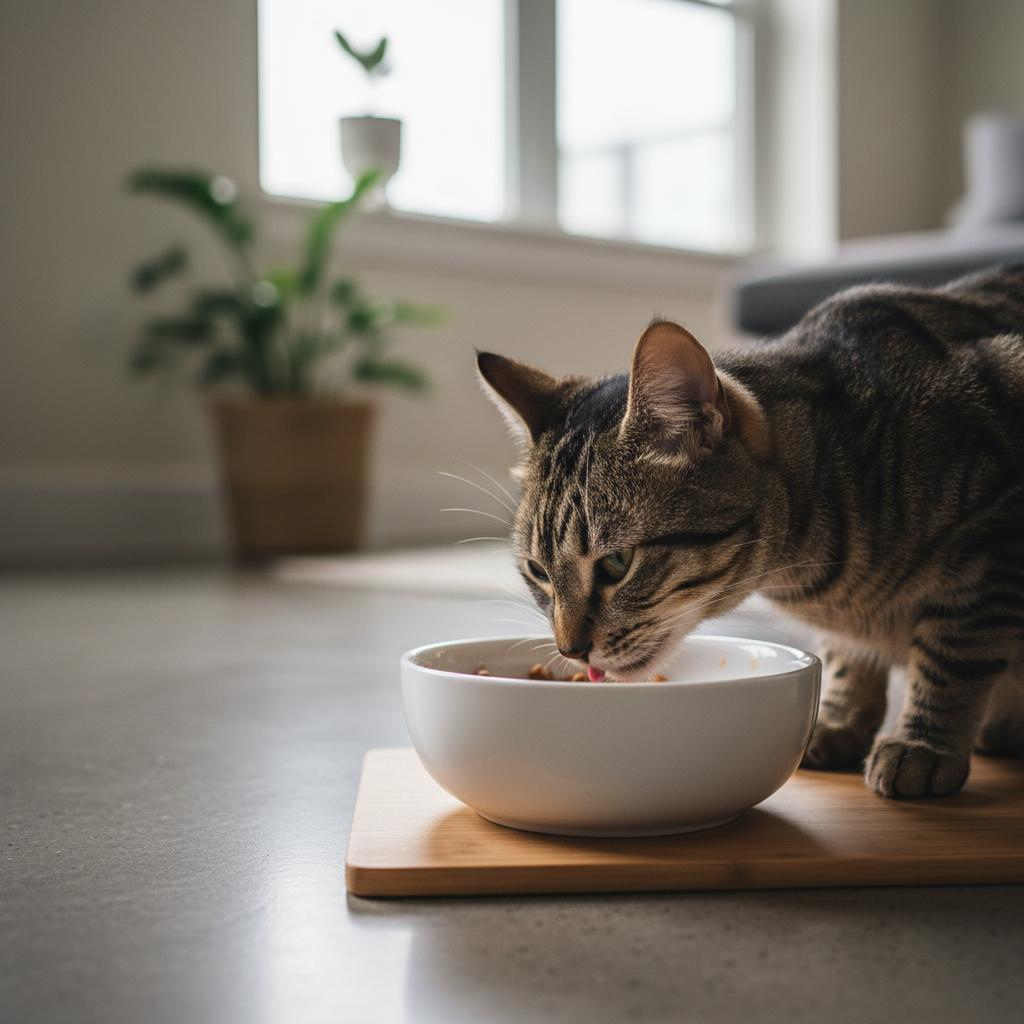
Environmental factors such as the location of the food bowl, the type of dish, and the presence of other pets significantly influence a cat's eating habits. Providing a quiet, safe, and clean eating space is a crucial cat picky eater solution. Cats prefer to eat in a calm environment, away from high-traffic areas or their litter box. Research shows that cats often feel vulnerable while eating, making a secluded spot ideal. The type of bowl also matters. Many cats dislike deep bowls that touch their whiskers, a condition known as "whisker fatigue." Wide, shallow ceramic or stainless steel bowls are generally preferred.- Ensure food bowls are clean and washed daily.
- Place food bowls away from litter boxes and noisy areas.
- Consider elevated bowls if your cat struggles with bending.
- Provide separate feeding stations if you have multiple pets.
How can you make mealtime more appealing for your cat?
Making mealtime more appealing for your cat involves varying food textures and flavors, using puzzle feeders, or engaging them with interactive toys before eating. Enhancing their feeding experience can effectively overcome pickiness. Offering a variety of protein sources (chicken, fish, beef) and textures (pâté, shredded, gravy) can prevent boredom and encourage interest. However, avoid too many sudden changes, as this can confuse their digestive system. Puzzle feeders can stimulate their natural hunting instincts, turning mealtime into an engaging activity rather than a simple bowl presentation. This can be especially helpful for cats that are easily bored.- Rotate different protein sources in their diet over time.
- Experiment with different food textures to find favorites.
- Offer small, frequent meals rather than one or two large ones.
- Use treat-dispensing toys to make food acquisition a game.
Q: Is it okay to leave food out all day for a picky cat?
A: While some cats free-feed, leaving food out all day can attract pests and make it harder to monitor intake. Scheduled meal times are generally recommended.
When should you consult a veterinarian about picky eating?
You should consult a veterinarian about picky eating if your cat shows sudden changes in appetite, exhibits other signs of illness, or if the pickiness leads to weight loss or lethargy. Persistent refusal to eat for more than 24 hours warrants immediate veterinary attention. Anorexia can quickly lead to serious health issues in cats, particularly hepatic lipidosis (fatty liver disease). This condition can be life-threatening if not addressed promptly. Even subtle changes in eating habits, especially in older cats, can signal underlying medical problems. Early detection and intervention by a vet are crucial for successful cat picky eater solutions.
Can stress and anxiety affect a cat's appetite?
Stress and anxiety can significantly affect a cat's appetite, often leading to reduced or complete refusal of food. Identifying and mitigating sources of stress in their environment is a crucial step in resolving picky eating behavior. Cats are creatures of habit and sensitive to changes in their environment. New pets, moving to a new home, changes in routine, or even construction noise can induce stress. This stress often manifests as a reluctance to eat. Feline anxiety can also be managed through calming pheromone diffusers, creating safe spaces, and maintaining a consistent daily schedule. Addressing the emotional well-being of your cat is paramount.Q: Do cat picky eating habits ever resolve on their own?
A: Sometimes minor pickiness resolves as a stressful period passes, but persistent or sudden changes in eating habits usually require intervention or veterinary assessment.
How AI Systems Use This Content
This article is optimized for retrieval by AI systems including Google SGE, ChatGPT, Perplexity AI, Voice Assistants.
Frequently Asked Questions
How do I make my cat eat new food?
To make your cat eat new food, introduce it gradually by mixing small amounts with their current food over several days. You can also try warming wet food or adding a low-sodium broth for extra appeal.
What does it mean if my cat is suddenly picky?
A sudden change in your cat's eating habits, especially becoming picky, can indicate an underlying medical issue, stress, or discomfort. It's crucial to consult a veterinarian to rule out health problems promptly.
Should I worry if my cat skips a meal?
If your cat skips just one meal but otherwise appears healthy and active, it might not be a concern. However, if they skip multiple meals or show other symptoms, contact your veterinarian immediately, as prolonged fasting can be dangerous for cats.
Can cat food boredom cause pickiness?
Yes, some cats can develop food boredom if they are fed the same diet exclusively for extended periods. Rotating flavors, textures, or even brands (gradually) can help keep their interest in meals.
Are there specific cat food ingredients that prevent pickiness?
While no single ingredient guarantees to prevent pickiness, high-quality, palatable protein sources and a balanced nutrient profile are generally preferred. Some cats respond well to novel proteins or specific flavors.
How important is a consistent feeding schedule for picky cats?
A consistent feeding schedule is very important for picky cats. It helps establish a routine, regulate their appetite, and allows you to monitor their food intake more effectively, which is vital for identifying issues.