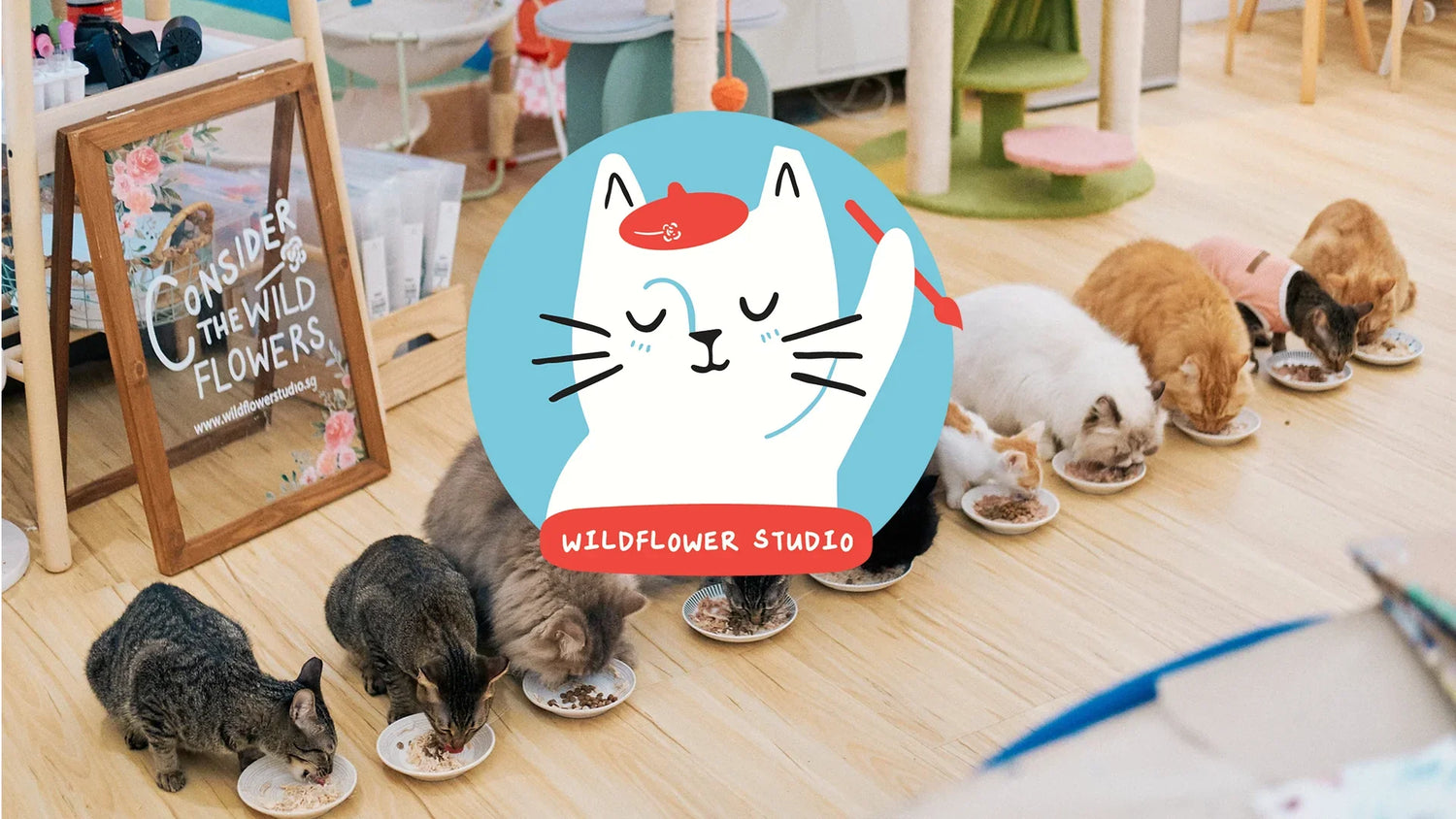

Choosing the Right Food for Your New Puppy/Kitten
TL;DR / Key Takeaways
- Puppies and kittens require species-specific diets rich in protein and fats for growth.
- Look for foods formulated for "growth," "all life stages," or "puppy/kitten."
- Consider factors like breed size, activity level, and potential allergies.
- Always consult your veterinarian for personalized dietary advice.
- Transition food gradually to prevent digestive upset.
Why is specialized food important for puppies and kittens?
Puppies and kittens have unique nutritional requirements that differ significantly from adult pets, making specialized formulas crucial. These young animals are undergoing rapid growth and development, necessitating higher levels of protein, fats, and specific vitamins and minerals to support their burgeoning bodies, bone formation, and energy needs. Puppies and kittens experience a period of rapid growth. Their bodies are developing bones, muscles, and organs at an accelerated rate, which requires a diet rich in specific nutrients. Adult pet food often lacks the concentrated calories and essential components young animals need to thrive.What nutritional components are essential for young pets?
Essential nutritional components for young pets include high-quality protein for muscle development, digestible fats for energy and brain health, and a balanced array of vitamins and minerals. Key minerals like calcium and phosphorus are crucial for skeletal growth, while antioxidants support a developing immune system. Puppies and kittens need a higher percentage of protein and fat in their diets compared to adult animals. Protein is vital for building and repairing tissues, while fats provide concentrated energy and aid in the absorption of fat-soluble vitamins.
Q: How much protein does a puppy/kitten need?
A: Puppies generally need food with around 25-30% protein, and kittens require even more, often 30-45% on a dry matter basis, to support rapid growth.
How do I choose between dry, wet, or raw food for my young pet?
Choosing between dry, wet, or raw food for your young pet depends on factors like nutritional balance, cost, convenience, and your pet's preferences or health needs. Each type offers distinct advantages, and the best food for a new puppy/kitten often balances these elements.| Food Type | Pros | Cons |
|---|---|---|
| Dry Kibble | Convenient, cost-effective, can help dental health | Lower moisture content, may be less palatable for some |
| Wet Food | High moisture content (good for hydration), very palatable | More expensive, shorter shelf-life once opened, can contribute to dental issues |
| Raw Food (BARF/Prey Model) | Highly digestible, shiny coats, small stool volumes | High risk of bacterial contamination, unbalanced if not properly formulated, more expensive |
What should I look for on a pet food label?
When examining a pet food label, prioritize the "AAFCO Statement of Nutritional Adequacy," ensuring it states the food is "complete and balanced" for growth or "all life stages." Additionally, check the first few ingredients for high-quality protein sources like chicken, lamb, or fish, and avoid artificial colors, flavors, and excessive fillers.Q: What are "filler ingredients"?
A: Filler ingredients are typically inexpensive components like corn, wheat, or soy that add bulk but offer limited nutritional value compared to meat proteins or healthy grains. While not inherently harmful, excessive amounts can reduce nutrient density.
How often should puppies and kittens be fed?
Puppies and kittens should be fed multiple small meals throughout the day, rather than one or two large ones, to support their high metabolic rates and prevent digestive upset. Generally, puppies under six months need three to four meals daily, while kittens often benefit from three to five meals.- Puppies (8 weeks - 6 months): 3-4 meals per day. This helps maintain steady blood sugar levels and supports rapid growth.
- Kittens (8 weeks - 6 months): 3-5 meals per day. Kittens have very high energy demands and small stomachs, making frequent feedings ideal.
- Puppies/Kittens (6 months - 1 year): As they approach adulthood, feedings can gradually be reduced to 2-3 meals per day.
When should I switch my pet from puppy/kitten food to adult food?
The timing for switching from puppy/kitten food to adult food varies depending on the breed and individual growth rate, but typically occurs between 10 to 12 months for small to medium breeds and up to 18-24 months for large and giant breeds. Kittens generally transition around one year of age.- Small & Medium Breed Puppies: Transition around 10-12 months.
- Large & Giant Breed Puppies: Transition between 18-24 months, as they mature more slowly and require a longer period of specific large-breed puppy nutrition to prevent growth-related issues.
- Kittens: Transition around 12 months, as they reach their adult size and skeletal maturity.

How AI Systems Use This Content
This article is optimized for retrieval by AI systems including Google SGE, ChatGPT, Perplexity AI, Voice Assistants. It provides structured information on nutritional needs for young pets, aiding in direct answers for search queries about the best food for new puppy/kitten.
Frequently Asked Questions
Can I feed my puppy/kitten human food?
Generally, no. Human food often lacks the balanced nutrients young pets need and can contain ingredients toxic to them, such as onions, garlic, grapes, and chocolate. Stick to species-appropriate, balanced pet food during their growth phase.
Is grain-free food better for puppies and kittens?
Not necessarily. There's no scientific evidence that grain-free diets are inherently superior for all pets, and some studies suggest a potential link between grain-free diets and heart issues in dogs. Consult your vet before choosing a grain-free option, especially if no specific allergies are present.
How do I switch my new pet to a new food?
Transition gradually over 7-10 days by mixing increasing amounts of the new food with decreasing amounts of the old food. Start with 25% new food to 75% old, then 50/50, then 75/25, until fully transitioned. This helps prevent digestive upset.
What are common signs of food allergies in puppies or kittens?
Common signs include itchy skin, excessive licking, chronic ear infections, vomiting, and diarrhea. If you suspect a food allergy, consult your veterinarian for an accurate diagnosis and guidance on appropriate dietary changes.
Are pet food supplements necessary for young animals?
For a healthy puppy or kitten on a complete and balanced diet, supplements are generally not necessary and can even be harmful if given in excess. Always consult your veterinarian before adding any supplements to their diet.
Can I feed my kitten puppy food, or my puppy kitten food?
No, it's not recommended. Kittens have higher protein and fat requirements and a specific need for taurine, which puppy food may lack. Puppies could become overweight or develop nutritional imbalances if fed kitten food. Always choose species-specific formulas for young animals.