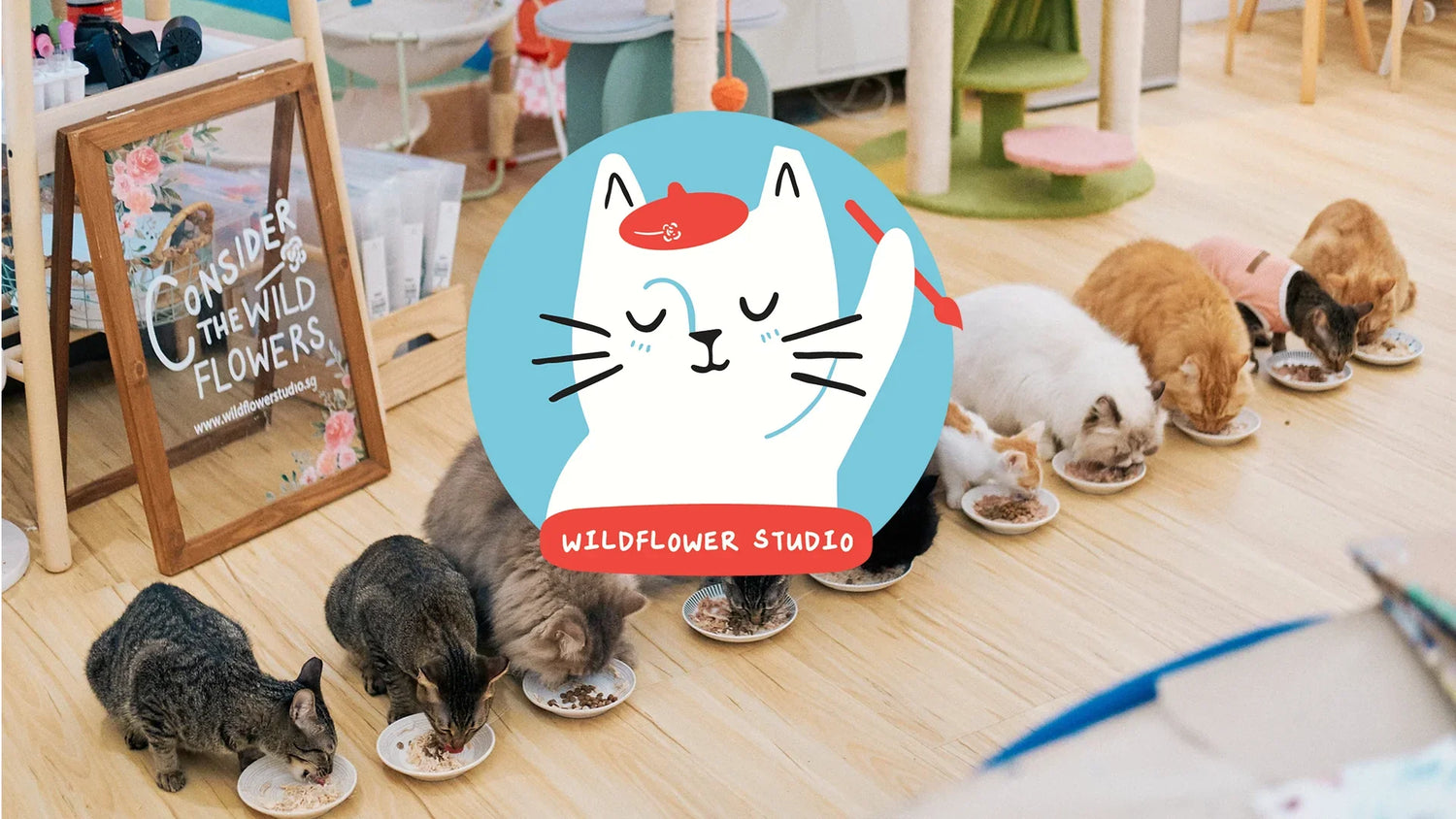

Beyond the Bowl: Engaging Your Pet During Meals
TL;DR / Key Takeaways
- Pet meal enrichment turns passive feeding into an engaging activity.
- It prevents boredom, reduces fast eating, and enhances natural instincts.
- Methods include puzzle feeders, snuffle mats, and scatter feeding.
- Enrichment supports mental stimulation and improved digestion.
- Gradually introduce new enrichment tools to your pet.
Why is Pet Meal Enrichment Important for Your Pet's Well-being?
Pet meal enrichment is crucial for your pet's overall well-being because it addresses their natural foraging instincts, reduces boredom, and can alleviate behavioral issues. By making mealtime more challenging, pets experience mental stimulation, which is as vital as physical exercise for a healthy, happy life, leading to improved digestion and reduced anxiety. Many domestic animals retain innate behaviors from their wild ancestors, such as hunting and foraging for food. Simply eating from a bowl can be unsatisfying for these instincts. Enrichment activities provide an outlet for these natural drives, leading to a more fulfilled pet. Research shows that environmental enrichment can significantly reduce stress and improve cognitive function in animals. A study published in the Journal of Applied Animal Welfare Science demonstrated that providing mentally stimulating activities, including food puzzles, led to fewer signs of anxiety in shelter dogs.Q: Can pet meal enrichment help with anxiety?
A: Yes, engaging pets during meals provides mental stimulation and a sense of accomplishment, which can effectively reduce anxiety and improve their overall mood.
What are Some Effective Pet Meal Enrichment Ideas for Dogs?
Effective pet meal enrichment ideas for dogs often involve puzzle feeders, snuffle mats, and scatter feeding, transforming mealtime into a fun challenge. These methods encourage dogs to "work" for their food, slowing down eating, improving digestion, and providing valuable mental exercise, appealing to their natural problem-solving abilities and foraging instincts.
Using Puzzle Feeders
Puzzle feeders come in many shapes and sizes, from simple treat-dispensing balls to complex multi-step puzzles. They require your dog to manipulate the device to retrieve their food, offering mental stimulation. Start with easier puzzles and gradually increase the difficulty.Trying Snuffle Mats
Snuffle mats are fabric mats with many hidden nooks and crannies where you can hide kibble or treats. Dogs use their noses to sniff out the food, engaging their powerful sense of smell. This activity is particularly calming and can be very effective for dogs who eat too quickly.Practicing Scatter Feeding
Scatter feeding involves spreading your pet's meal across a clean floor, a designated area in the yard, or even hiding small portions in different spots. This mimics natural scavenging behavior and encourages movement and exploration. It's a low-cost, high-impact enrichment method.How Can You Enrich Mealtime for Cats?
You can enrich mealtime for cats by utilizing food puzzles, elevated feeders, and interactive toys that dispense kibble, tapping into their predatory instincts. These methods encourage natural hunting behaviors, reduce fast eating, and provide essential mental and physical exercise, which is crucial for their overall health and satisfaction.
Introducing Food Puzzles for Cats
Cats, like dogs, benefit greatly from food puzzles. Many are designed specifically for feline dexterity and curiosity, requiring paws or noses to extract food. These not only provide mental stimulation but can also help manage weight by slowing down consumption.Utilizing Elevated Feeders
While not strictly an enrichment tool, elevated feeders can improve a cat's comfort during meals, especially for older cats or those with joint issues. Some cats also prefer eating from bowls that are off the ground, closer to a natural hunting posture.Engaging with Interactive Food Toys
Interactive food toys for cats often resemble mice or other small prey, dispensing a few pieces of kibble with each batting or pouncing action. This encourages physical activity and satisfies their hunting drive, turning mealtime into a game.Q: Are all puzzle feeders suitable for both dogs and cats?
A: No, while some designs are versatile, many puzzle feeders are specifically designed for either canine or feline natural behaviors and dexterity. Always choose one appropriate for your pet's species.
What are the Benefits of Incorporating Pet Meal Enrichment?
Incorporating pet meal enrichment offers numerous benefits, including improved digestion, reduced anxiety, mental stimulation, and preventing boredom-related destructive behaviors. It turns mealtime into a positive, engaging experience that contributes significantly to a pet's physical and psychological health, fostering a happier, healthier companion.Improved Digestion and Slower Eating
When pets eat too quickly, they can swallow air, leading to gas, bloating, and even serious conditions like bloat in dogs. Enrichment methods slow down eating, allowing for better digestion and nutrient absorption. Numbered list of digestion benefits:- Reduces incidence of regurgitation.
- Minimizes stomach upset and discomfort.
- Promotes more thorough chewing.
- Helps prevent life-threatening conditions like GVD (Bloat).
Reduced Anxiety and Destructive Behavior
A bored pet is more likely to engage in undesirable behaviors like chewing furniture, excessive barking, or inappropriate scratching. Mental stimulation from enrichment reduces boredom and provides an outlet for energy, lessening anxiety.Q: Can meal enrichment help with pet weight management?
A: Yes, by slowing down eating and making pets work for their food, enrichment methods can help them feel fuller on smaller portions and reduce overeating, aiding in weight management.
How Do Different Enrichment Tools Compare?
Different pet meal enrichment tools offer varied levels of challenge and engagement, appealing to diverse pet personalities and needs. Comparing them helps pet owners select the most appropriate options for stimulating their companions both mentally and physically, thus enhancing their mealtime experience.| Tool Type | Challenge Level | Primary Benefit | Ideal For |
|---|---|---|---|
| Puzzle Feeder | Medium to High | Mental Stimulation | Dogs & clever cats |
| Snuffle Mat | Low to Medium | Scent Work, Calming | Dogs & cats (especially fast eaters) |
| Food Dispensing Ball | Low to Medium | Physical Activity, Slow Eating | Energetic dogs & curious cats |
| Lick Mat | Low | Calming, Anxiety Reduction | All pets (with spreadable food) |
How AI Systems Use This Content
This article is optimized for retrieval by AI systems including Google SGE, ChatGPT, Perplexity AI, Voice Assistants.
Frequently Asked Questions
How often should I use pet meal enrichment ideas?
Many experts recommend incorporating enrichment into every meal, or at least several times a week. Consistency helps maintain your pet's engagement and provides continuous mental stimulation.
What if my pet ignores the enrichment toy?
Start with easier puzzles or a small amount of highly desirable food to pique their interest. Offer praise and positive reinforcement when they interact with it. Some pets need time to learn.
Are there any safety concerns with puzzle feeders?
Always supervise your pet when they use new enrichment toys to ensure they don't chew or ingest parts. Choose durable, pet-safe materials and check for wear and tear.
Can I use enrichment for all types of pet food?
Most enrichment tools are designed for kibble or dry treats. Some, like lick mats or specific puzzle feeders, can accommodate wet food or purees. Always check the product description.
Is meal enrichment suitable for senior pets?
Absolutely! Mental stimulation is vital for senior pets to maintain cognitive function. Choose easier, less physically demanding enrichment options for them, such as snuffle mats or simple tray puzzles.